
Web Application Penetration Testing
Human-Led + AI
Penva Security delivers CREST-certified, manual web application penetration testing for Australian businesses – uncovering OWASP Top 10 vulnerabilities, business logic flaws, and API security gaps that automated scanners and AI-only tools consistently miss. Every test is performed by a human OSCP and CREST-qualified offensive security expert, delivered with an audit-ready report.
- Certified Testers
- Security Compliance
- Manual Pentesting
Estimate your web app pentest in 2 taps
What Is Web Application Penetration Testing?
Web application penetration testing is a controlled, manual assessment where CREST-certified ethical hackers simulate real-world attacks on your app, its authentication, business logic, APIs, and access controls, to find and prove exploitable vulnerabilities before attackers do.
Unlike automated scanning, every finding is confirmed and exploitable — delivered with proof-of-concept evidence and developer-ready fixes. It is also the standard evidence for ISO 27001, SOC 2, PCI DSS 11.4, APRA CPS 234, and the Essential Eight.
For the full picture of what we cover, see our penetration testing services.
Web App Penetration Test
Manual testing · OWASP WSTG v4.2
When You Need a Web App Pentest
Most Australian businesses engage Penva Security for one of six clear triggers – each maps to a specific compliance requirement or risk event.
Pre-Launch Assurance
Annual Compliance
After Major Changes
Vendor Security Questionnaires
APRA CPS 234
Post-Incident Review
Web Application Penetration Testing Approach
Every Penva Security web application engagement covers the full OWASP Web Security Testing Guide, the OWASP Top 10, and the OWASP API Security Top 10. Real-world attacks rarely use a single bug – we chain findings to demonstrate true business impact.
-
OWASP Top 10 Testing
Coverage of all OWASP Top 10 risks. This includes injection vulnerabilities. We also look at access control and broken cryptography.
-
SQL Injection & Database Attacks
SQL, NoSQL, and command injection vulnerabilities are detected, indicating the exposure of customer data.
-
Cross-Site Scripting (XSS)
Checking login flows, bypassing MFA, and weaknesses in JWT to avoid account takeover.
-
Authentication & Session Flaws
Determine flaws in the login flows, MFA, and password policies.
-
Broken Access Control & IDOR
Identifying the paths of privilege escalation and direct object reference insecurity.

-
API Security Testing
REST, GraphQL, SOAP API testing (authentication, authorization, sensitive data exposure).
-
Business Logic Vulnerabilities
Workflow abuse and race conditions testing and logic testing: done by hand.
-
Server-Side Request Forgery (SSRF)
Determining the SSRF vulnerabilities through which attackers can gain entry to internal networks.
-
Security Misconfigurations
Verifying HTTP headers, TLS/SSL configurations, CORS configurations, and server hardening.
-
File Upload & RCE Vulnerabilities
Testing insecure deserialization, remote code execution due to injection paths, and unrestricted file uploads.
Our Four-Phase Web App Pentest Process
Aligned to OWASP WSTG v4.2, NIST SP 800-115, and the Penetration Testing Execution Standard (PTES).
Work closely with your team to identify exactly what needs to be tested, e.g. a website, mobile app, or internal system, and establish clear boundaries before testing begins. This phase ensures all stakeholders are aligned on what's in scope, reducing miscommunication and delays.
A penetration test execution phase validates real-world risk by actively finding, exploiting, and confirming vulnerabilities, then demonstrating impact with controlled proofs-of-concept. Results are cleaned up, evidence collected, and delivered as a prioritized report with remediation guidance.
Our pentest reports are designed to help you pass audits, with a clear executive summary, CVSS 3.1 severity ratings, and formal attestation to meet SOC2, ISO 27001, PCI DSS, and HIPAA compliance requirements.
Once the team resolves the identified vulnerabilities, a focused retest is performed to verify the fixes and deliver an updated report reflecting the remediation status.
Benefits of Web Application Penetration Testing Service
With Penva’s human-led, AI-assisted penetration testing services, you can stay ahead of cyber attackers, strengthen client and stakeholder confidence, and prove your security posture with a clear, audit-ready penetration testing report.
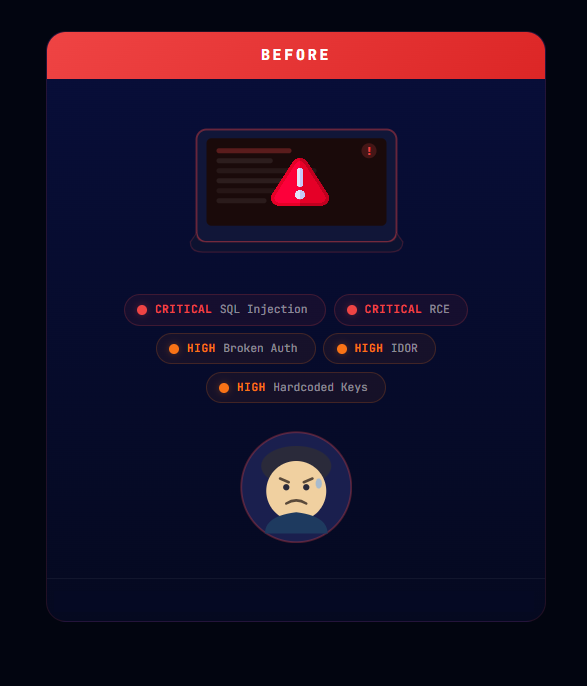
Find Hidden Weaknesses Before Hackers Do
Penetration testing uncovers hidden weaknesses in your system before real attackers can exploit them, allowing you to address issues promptly.
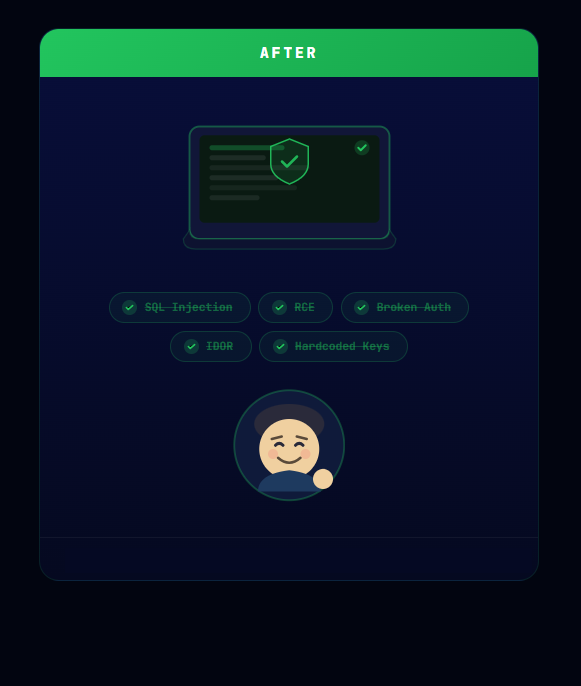
Avoid Costly Data Breaches
A single cyberattack can lead to stolen customer info, lawsuits, or fines. Penetration testing helps prevent this.
Meet Legal Requirements & Compliance in Australia
Industry standards (such as ISO 27001) and Australian regulations, including the ACSC Essential Eight and the Privacy Act 1988, mandate regular security checks. Penetration testing ensures compliance and helps avoid fines and data breaches.
Build Customer Trust
Customers feel safer knowing you care about their data, and It boosts your reputation as a secure and reliable business.
Audit-Ready for Every Major Framework
Every Penva Security report is purpose-built to satisfy auditors, with the executive summary, CVSS 3.1 scoring, evidence appendix, and formal letter of attestation that compliance assessors require.
ISO/IEC 27001
SOC 2 Type II
PCI DSS v4.0
APRA CPS 234
Essential Eight
HIPAA
GDPR & Privacy Act
ST4S
Pentest Results that Pass Audits
How Penva Security helped businesses pass ISO 27001 and SOC 2 audits with penetration testing reports that satisfied assessors, closed critical gaps, and gave clients the confidence to scale securely.
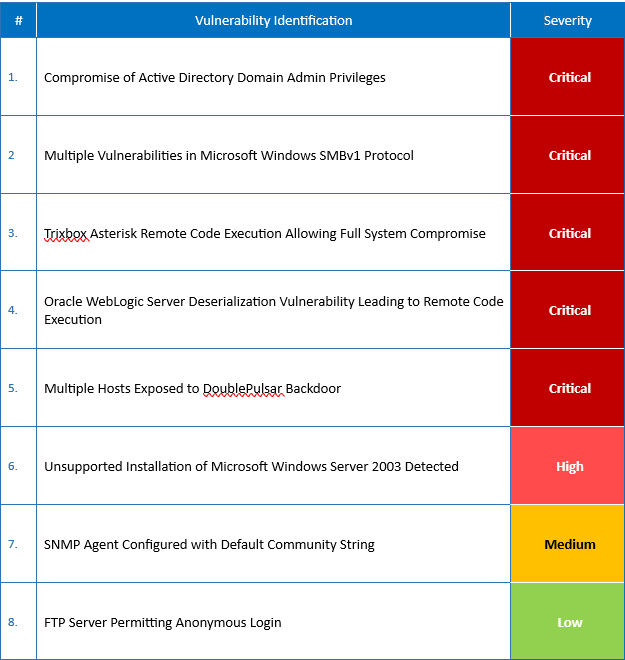
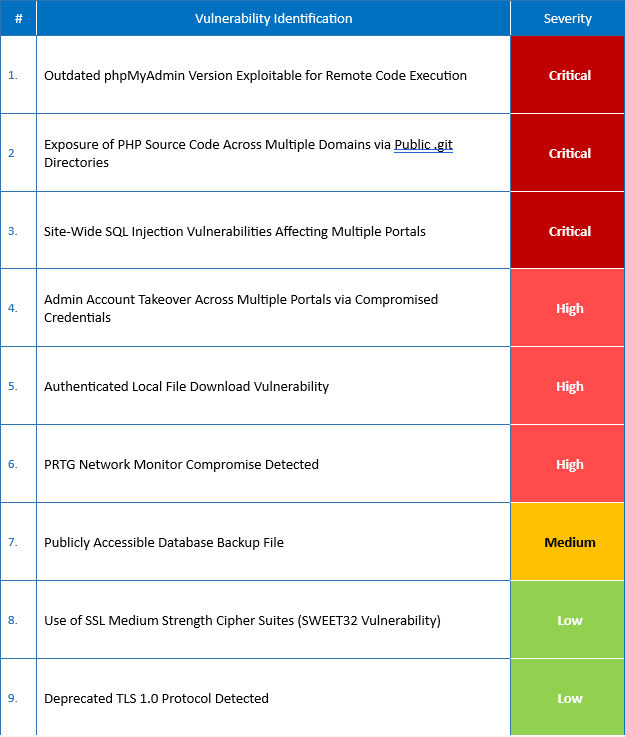
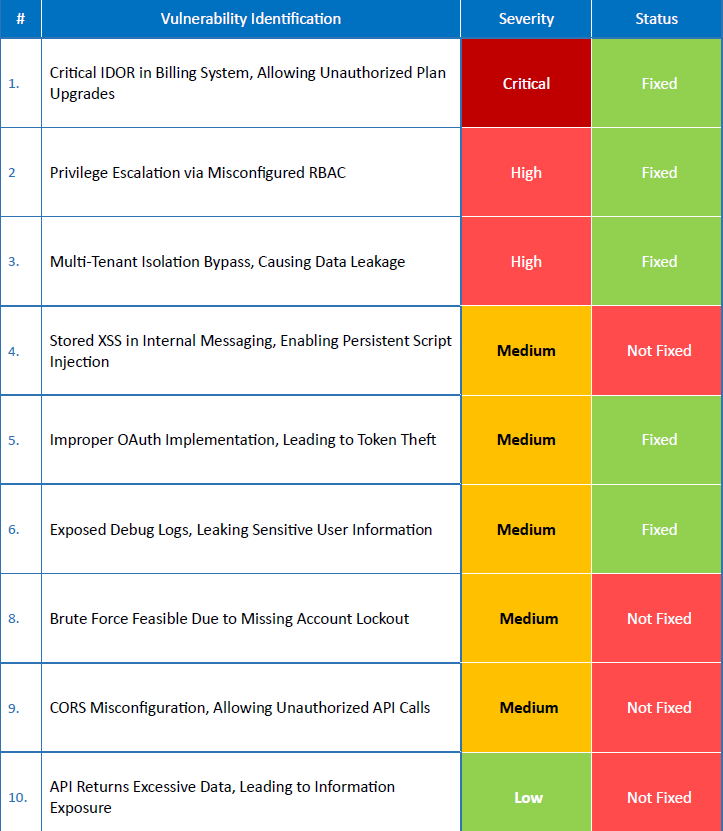
Although the client approached us only for compliance, we identified serious security gaps and helped secure their application. This proactive assessment demonstrates a strong commitment to data protection, risk mitigation, and adherence to internationally recognized security standards.
The findings provide clear, actionable insights to strengthen the application’s security posture, ensuring it meets SOC 2 trust principles, especially around data confidentiality, availability, and integrity.
Our findings enabled the client to prioritize remediation, strengthen their internal security posture, and prevent potential exploitation that could have severely impacted operations and data integrity.
Why Choose Us
We have partnered with organizations across critical sectors, including finance, education, e-commerce, and healthcare, to enhance their security posture, meet compliance requirements, and confidently pass audits.
We’ve identified critical vulnerabilities in 70% of tested applications, including server compromises and leaked credentials, and helped secure their applications and infrastructure.
Accreditations & Certifications


Brand Name
Certification
Certification Worth
OSCP by Offensive Security
OSCP+ by Offensive Security
The OSCP (Offensive Security Certified Professional) is a highly regarded certification that validates practical penetration testing skills and is globally recognized by employers and regulators.

CREST Practitioner Security Analyst (CPSA)
CREST Registered Penetration Tester (CRT)
CREST partners with national bodies in the UK, US, Australia, and Singapore, ensuring global recognition and compliance with the highest cybersecurity standards.

CRTO by Zero-Point Security
This certification demonstrates the ability to think and act like a real attacker, simulating advanced cyberattacks to help organizations identify and remediate hidden weaknesses before they can be exploited.
Penva Security holds globally recognised, specialized penetration testing certifications that take years to earn.
Reviews and Clients
Michael Wendland
Partner at Bonsai
Reliable and professional penetration testing partner
Penva Security provided a quick and efferent pentest report that satisfied our needs and certification criteria. I would highly recommend them for penetration testing, and will be using his services again in the future.

Stuart Cox
Creative Director at NorthBase
Professional, communicative, and highly reliable testers
Penva Security conducted a penetration test of our webapp and produced a report of security issues. The team was professional and communicated well throughout, including giving us the expected timeline for the work and keeping us up-to-date as we progressed. The report was well written and I can recommend them to anyone looking for penetration testing.
Daniel Scocco
Founder at InstaDelivery
Working with third or forth time with Penva Security
This is the third or fourth time we work with Penva Security. They always delivers timely and great work. One of the best security experts I know.
Get an Instant Penetration Testing Estimate
Answer a few scoping questions to get a practical estimate for web, API, mobile, infrastructure, and cloud penetration testing.
What type of penetration testing do you need?
Choose the main service you want quoted.
Edit option values
Use this table to assign a dollar value to each option. Open this panel with ?penvaPricing=1 at the end of the page URL.
For permanent changes, copy the pricing config and paste it into the PRICE_OVERRIDES section inside this Elementor HTML widget. Front-end prices are only used to display an estimate and should not be treated as a fixed quote.
Our Team's Certification
Our team holds industry-recognized pentest certifications that take years to achieve.


Web Application Penetration Testing - Common Questions
Direct answers to the questions Australian businesses ask most often.
Web application penetration testing is a controlled, manual security assessment in which certified ethical hackers simulate real-world attacks against a web application — including its authentication, session management, business logic, APIs, and access controls — to identify exploitable vulnerabilities before malicious attackers do. It goes beyond automated scanning by validating exploitability and chaining low-severity findings into realistic attack scenarios.
Web application penetration testing in Australia typically starts from AUD $2,000 for a single engagement. The price depends on application complexity, number of user roles, API endpoints in scope, authentication flows, and whether testing is black-box or grey-box. Penva Security provides a fixed-price quote within 24 hours after a free scoping call, with no surprise add-ons.
Most web application penetration tests take 5 to 10 business days of active testing, plus 1 to 2 days for reporting. A small marketing site may be tested in 3 to 5 days; a complex SaaS platform with multiple user roles, APIs, and SSO can take 2 to 3 weeks. Penva delivers findings progressively in a shared tracking sheet so your developers can begin fixing issues during the engagement, not after.
Yes. ISO/IEC 27001:2022 controls A.8.8, A.8.29, and A.5.23 expect technical vulnerability assessments and security testing of applications. SOC 2 Trust Services Criterion CC7.1 requires identification of vulnerabilities, with penetration testing as the standard evidence. PCI DSS Requirement 11.4 mandates application penetration testing at least annually and after any significant change. APRA CPS 234 expects regular testing of information security controls. Penva delivers reports formatted to satisfy all four frameworks.
A vulnerability scan is automated and identifies known issues by signature matching — it produces a long list of potential issues with many false positives. A penetration test is manual, performed by a certified human tester who validates exploitability, chains vulnerabilities together, abuses business logic, and produces a short list of confirmed, prioritised, exploitable findings. Australian compliance frameworks distinguish between the two — scans alone do not satisfy ISO 27001, SOC 2, PCI DSS, or APRA expectations for penetration testing.
No. Penva delivers 100% human-led, manual penetration testing. We use automated scanners only to support reconnaissance and confirm coverage — every finding is manually validated and exploited by a CREST-certified tester. AI-only and scanner-driven services miss business logic flaws, broken access control, IDOR chains, race conditions, and authorisation bypasses, which represent the majority of high-impact vulnerabilities discovered in real engagements.
Penva follows the OWASP Web Security Testing Guide (WSTG v4.2), OWASP Top 10 (2021), OWASP API Security Top 10 (2023), NIST SP 800-115, and the Penetration Testing Execution Standard (PTES). Our process has six phases: scoping, reconnaissance, threat modelling, vulnerability discovery, exploitation, and reporting — followed by a free remediation retest.
Penva tests staging or pre-production environments by default to eliminate any risk to production traffic, customer data, or uptime. Where testing must be performed against production, we coordinate testing windows, throttle automated requests, and exclude destructive payloads. We have never caused an outage in any client engagement.
Yes. Every Penva fixed-price web application penetration test includes one free retest within 60 days of the original engagement. After remediation, we re-validate each finding and issue an updated report confirming closure — required evidence for ISO 27001, SOC 2, and PCI DSS auditors.
Yes. Penva’s penetration testers hold CREST Registered Penetration Tester (CRT) and CREST Practitioner Security Analyst (CPSA) certifications, recognised by CREST Australia New Zealand. They additionally hold Offensive Security Certified Professional (OSCP) and Certified Red Team Operator (CRTO). CREST is the industry-standard certification body referenced by Australian government, financial services, and enterprise procurement teams.
At minimum, annually — the baseline expected by ISO 27001, SOC 2, and most enterprise procurement processes. PCI DSS requires testing after any significant application change. High-velocity SaaS teams releasing weekly should pentest after major feature releases (new authentication flows, payment integrations, role/permission changes) or quarterly. Penva offers Pay-As-You-Go testing from AUD $500/week for teams that need continuous coverage.
Penva identifies critical or high-severity vulnerabilities in approximately 70% of web applications tested. The most common findings are broken access control (especially IDOR and privilege escalation), authentication weaknesses, SQL injection in older code paths, cross-site scripting in user-generated content, server-side request forgery (SSRF), insecure direct object references, JWT misconfigurations, and business logic flaws in checkout, refund, or approval workflows.
Penva serves SaaS platforms, FinTech and payments providers, healthcare and EdTech organisations, e-commerce retailers, professional services, and government supply-chain vendors across Australia, with active clients in Melbourne, Sydney, Brisbane, Perth, Adelaide, and Canberra.
Yes. Penva signs a mutual NDA before any technical or commercial information is exchanged. We can also work to your standard MSA, supplier agreement, or IRAP / data-handling requirements.