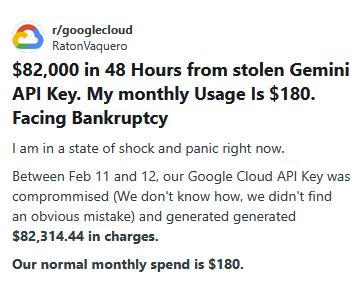
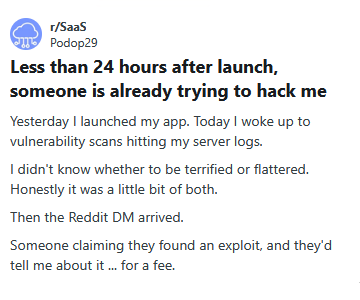
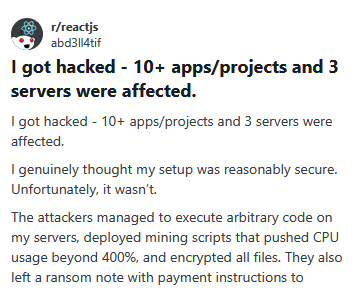
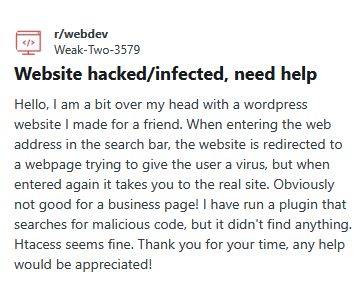
Your application is the front door to your private network. Once compromised, attackers can steal files, deploy ransomware, hijack your email, break into your cloud, and more.
Developers lack adequate security training
Apps are built fast to meet business needs – often by developers without training in how hackers actually exploit code.
No real-time visibility into security attacks
Most organisations don’t monitor their apps for active threats, meaning breaches can go undetected for years.
Overreliance on automated security tools
Automated scanners miss logic flaws, complex bugs, and attacks only humans can simulate.
Compliance does not equal real security
Meeting security compliance (like GDPR or PCI-DSS) doesn’t stop hackers – real attacks go far beyond regulatory checklists.
We Are ISO 27001 Compliant
Debunk the myth →
Compliance validates processes and controls at a point in time, but it does not identify exploitable vulnerabilities in your application code or logic.
Our App Is Behind a Firewall
Debunk the myth →
A firewall limits external traffic, but it cannot stop attacks performed through valid accounts or abused application functionality.
We Passed an Automated Scan
Debunk the myth →
Automated scans detect known patterns, but they cannot identify complex logic errors or authorization weaknesses unique to your system.
Our Frontend Validates the Inputs
Debunk the myth →
Validation in the browser improves usability, but security controls must be enforced on the server side where requests are actually processed.
Only Admins Have That Access
Debunk the myth →
Hiding features in the interface does not enforce security; proper role and permission checks must be enforced on every backend request.
We Use HTTPS, So We're Secure
Debunk the myth →
HTTPS protects data in transit, but it does not prevent broken access control or application logic flaws that expose sensitive information.
The Cost of "Not Now"
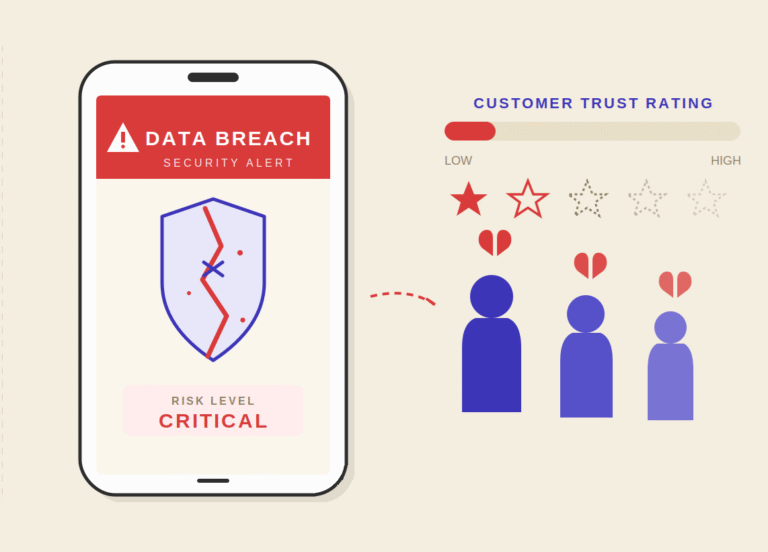
Loss of Customer Trust & Data Leakage
A breach can destroy your brand’s reputation, and your data could end up on the dark web.
Financial Loss & Fraud
Hackers can steal premium features, bypass payments, and even sell customers’ data, costing businesses millions.
Legal Costs & Regulatory Fines
A data breach exposes you to legal action, regulatory fines, and massive reputational damage.
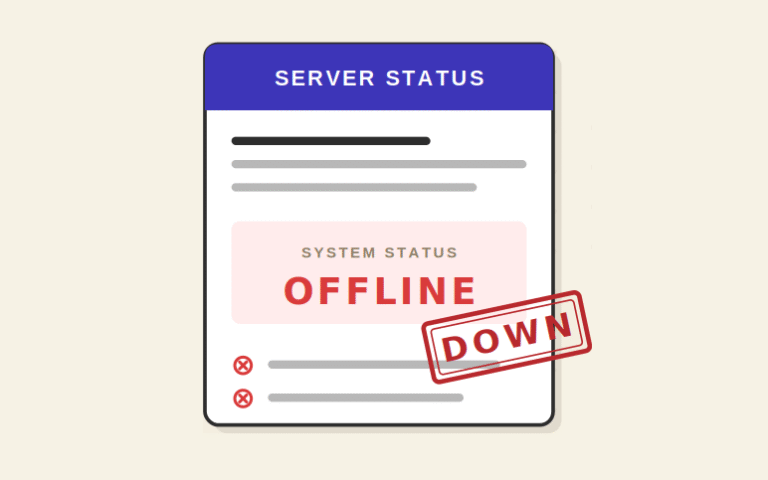
Business Disruption & Downtime
Security incidents can force applications offline, disrupting operations and impacting revenue and productivity.
Latitude - Full User Data Exposure
A breach exposed sensitive user data due to weak security controls, potentially including personal and usage information. This risked complete loss of user trust and opened the door to large-scale account abuse.
Medibank - Massive Health Data Leak
One of Australia’s largest breaches exposed highly sensitive medical and personal data of millions of customers. The incident caused severe reputational damage, regulatory scrutiny, and long-term privacy risks for affected individuals.
Western Sydney University - Student Data Exposure
A breach exposed sensitive student information through compromised systems. This created risks of identity theft and damaged trust in the university’s ability to protect personal data.
Wired - Account Compromise & Data Exposure
Unauthorized access led to potential exposure of user account data and internal systems. This undermined platform integrity and increased the risk of further targeted attacks.
MSI - Source Code Theft & Key Exposure
A ransomware attack led to the theft of firmware source code and signing keys. This raised serious supply chain risks, potentially enabling attackers to distribute malicious firmware updates.
University of Sydney - Large-Scale Personal Data Breach
Unauthorized access exposed historical personal data of students and staff. The breach posed long-term identity theft risks and highlighted gaps in legacy data protection.
Optus - Massive Identity Data Leak
A major breach exposed personal details, including IDs, of millions of customers. This led to widespread fraud risks, regulatory fallout, and severe reputational damage.
Canva - User Account Data Breach
A cyberattack compromised millions of user records, including emails and hashed passwords. The breach increased the risk of credential stuffing attacks and weakened user trust globally.
Uber - Internal System Takeover
Attackers gained deep access to internal systems through social engineering. This exposed sensitive data and demonstrated critical weaknesses in internal security controls.
Attack Surface in Numbers
Top Vulnerabilities Being Exploited on Web
CWE – Most Dangerous Software Weakness by Vulncheck
Injection attacks
Injection attacks are security vulnerabilities in which attackers inject malicious code into an application (such as SQL, command, or script injection) to manipulate databases and execute unauthorized commands.
Broken Authentication
Broken authentication is a security vulnerability in which flaws in login systems (such as weak passwords, session mismanagement, or credential leaks) allow attackers to gain unauthorized access.
Sensitive Data Exposure
Sensitive Data Exposure is a security vulnerability in which improperly protected sensitive information (such as passwords, credit card details, or personal data) is accidentally leaked or made accessible.
Insecure File Upload
Insecure file upload is a vulnerability where a system improperly handles uploaded files, allowing attackers to upload malicious files (like scripts or executables) that can lead to data breaches and server compromise.
XSS Attack
XSS (Cross-Site Scripting) is a security vulnerability where attackers inject malicious scripts into web pages viewed by users, allowing them to steal data, hijack sessions, or manipulate the website's content.
Security Misconfig
Security misconfiguration is a vulnerability that occurs when an application, server, or database is improperly configured, leaving it exposed to attacks due to default settings or incomplete configurations.
Broken Access Control
Broken access control is a security flaw where users are able to access resources or perform actions that they are not authorized for, often due to inadequate restrictions.
Vulnerable Components
Using known vulnerable components refers to the practice of incorporating outdated or insecure software libraries, frameworks, or plugins into an application, which can expose the system to known attacks.
Insecure Data Storage
Insecure data storage is a vulnerability where an application stores sensitive information (such as credentials or tokens) without adequate protection, making it accessible to unauthorized users.
Penetration testing uncovers hidden weaknesses in your system before real attackers can exploit them, allowing you to address issues promptly.
Avoid Costly Data Breaches
A single cyberattack can lead to stolen customer info, lawsuits, or fines. Penetration testing helps prevent this.
Meet Legal Requirements & Compliance in Australia
Industry standards (such as ISO 27001) and Australian regulations, including the ACSC Essential Eight and the Privacy Act 1988, mandate regular security checks. Penetration testing ensures compliance and helps avoid fines and data breaches.
Build Customer Trust
Customers feel safer knowing you care about their data, and It boosts your reputation as a secure and reliable business.
Penetration testing
Performing at least an annual penetration test to uncover critical security flaws in your application before attackers do.
Offered By Penva Security
Penetration Testing as a Service (PTAAS)
Using a PTaaS approach to ensure every update and new release is tested for vulnerabilities before it reaches production.
Offered By Penva Security
Hire dedicated pentesters
Hiring dedicated penetration testers to manage the ongoing security of your application and Infrastructure.
Offered By Penva Security
Bug bounty programs
Launching a bug bounty program, incentivising security researchers to find and report vulnerabilities.
Certified Pentest Report
A professionally signed and certified report that proves your system was independently tested
Meet Compliance Requirements
Satisfy government, industry, and insurance requirements with a report that proves your due diligence.
Win and Grow
Close enterprise deals faster with proof of security, while giving your developers real examples from your own product to learn and improve from.
View Pentest Report
List of Identified issues
Vulnerabilities, ranked by severity, with plain-language descriptions and exactly what needs to be fixed first.
Boost Stakeholders Confidence
Show your board, investors, and enterprise clients a concrete document proving your platform is actively secured.
Past Projects
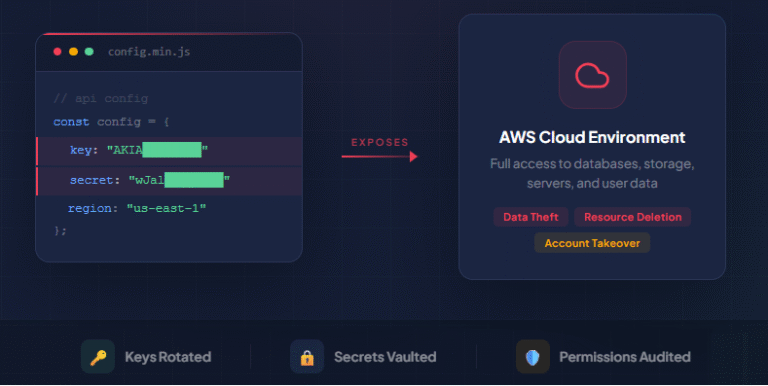
Unveiling Hidden AWS Credentials - Cloud Access
During a pentest, we found hidden AWS keys in a buried JavaScript file of the client’s application. These keys could let an attacker steal data, delete resources, or take full control of the cloud environment. The exposure was critical; anyone on the internet could silently access sensitive systems. We immediately advised rotating the keys, moving all secrets to secure vaults, and auditing cloud permissions.
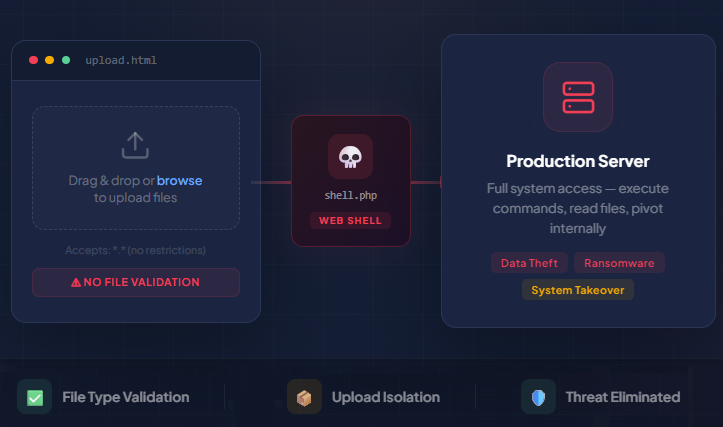
Insecure File Upload - Complete Server Takeover
During a pentest, we discovered an insecure file upload in the application that allowed arbitrary files to be uploaded. An attacker could upload malware or web shells, gaining full control of the server. We immediately recommended strict file type validation, scanning uploads for malware, and isolating uploads from critical systems.
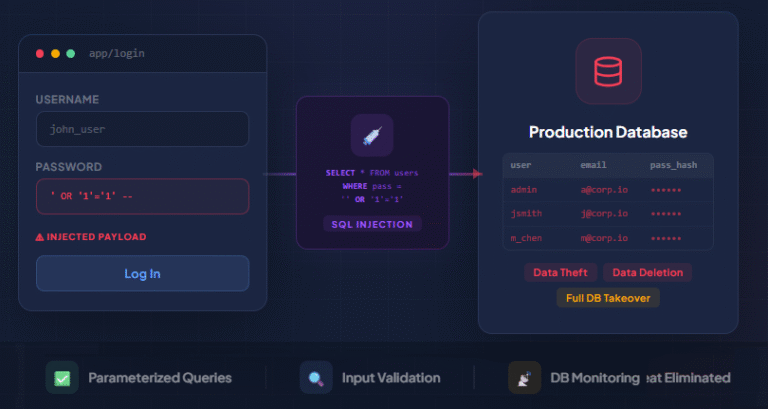
SQL Injection - Database Breached
During a pentest, we found a SQL injection queries to steal and modify sensitive data from the database, or even take over the database server. This flaw could expose customer information, credentials, and business-critical data. We recommended parameterized queries and input validation on the backend. After remediation, the application was secured against data breaches.
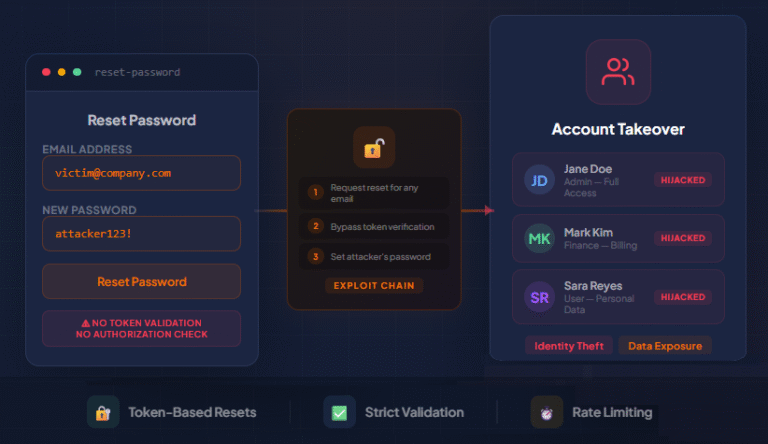
Account Takeover - Admin Account Compromise
During a pentest, we discovered a flaw in the password reset functionality that allowed account takeover. An attacker could reset any user’s password without authorization and gain full access to their account. This risked exposure of sensitive personal data, financial information, or administrative controls. We recommended implementing token-based resets, strict validation, and rate limiting.
The level of organisational risk you accept by not testing this area; from Critical (immediate exposure) to Elevated (residual gaps).
Publicly Accessible Application Testing
Testing websites, application, and APIs that anyone on the internet can access.
External Infrastructure Testing
Scanning and probing internet-facing servers, firewalls, and network services for vulnerabilities and misconfigurations.
Authenticated User Testing
Testing application functionality and security after logging in with valid user credentials.
Multi-Role Testing (User / Manager / Admin)
Verifying access controls and privilege boundaries across different user permission levels.
Internal Network & Infrastructure Assessment
Simulating an insider or breached-device scenario to test internal systems, segmentation, and lateral movement paths.
Cloud Security Assessment
Reviewing cloud platform configurations, identity policies, and resource exposure across AWS, Azure, or GCP.
Pricing Starts From
$1500 aud
$3000 aud
$5000 aud
We price based on effort, not guesswork. After a free scoping call, we assess your application's size, complexity, and compliance requirements to provide a transparent, fixed-price quote
We have partnered with organizations across critical sectors, including finance, education, e-commerce, and healthcare, to enhance their security posture, meet compliance requirements, and confidently pass audits.
We’ve identified critical vulnerabilities in 70% of tested applications, including server compromises and leaked credentials, and helped secure their applications and infrastructure.
Clients Served
0+
Critical issues found
0%
Organisations Protected
0+
Client Satisfaction Rate
0%
Accreditations & Certifications
Others
Penva Security
Specialization
Offer broad cybersecurity services with limited pentest focus
Focused and deeply specialized in penetration testing only
Pricing
High quotes with only single actual resource on the project
Affordable and flexible pricing tailored to project needs
Transparency
No visibility throughout the penetration test engagement
Transparency via shared sheet tracking all test cases in real time
Collaboration
One-off report delivery after the penetration test is completed
Continuous collaboration with devs & providing a clean report at the end
Certifications
General security certs, often lacking pentest specialization
Specialized pentest certs that take years to achieve
Michael Wendland
Partner at Bonsai
Reliable and professional penetration testing partner
Penva Security provided a quick and efferent pentest report that satisfied our needs and certification criteria. I would highly recommend them for penetration testing, and will be using his services again in the future.
Stuart Cox
Creative Director at NorthBase
Professional, communicative, and highly reliable testers
Penva Security conducted a penetration test of our webapp and produced a report of security issues. The team was professional and communicated well throughout, including giving us the expected timeline for the work and keeping us up-to-date as we progressed. The report was well written and I can recommend them to anyone looking for penetration testing.
Daniel Scocco
Founder at InstaDelivery
Working with third or forth time with Penva Security
This is the third or fourth time we work with Penva Security. They always delivers timely and great work. One of the best security experts I know.
Brand Name
Certification
Certification Worth
OSCP by Offensive Security OSCP+ by Offensive Security
The OSCP (Offensive Security Certified Professional) is a highly regarded certification that validates practical penetration testing skills and is globally recognized by employers and regulators.
CREST partners with national bodies in the UK, US, Australia, and Singapore, ensuring global recognition and compliance with the highest cybersecurity standards.
CRTO by Zero-Point Security
This certification demonstrates the ability to think and act like a real attacker, simulating advanced cyberattacks to help organizations identify and remediate hidden weaknesses before they can be exploited.
Penva Security holds globally recognised, specialized penetration testing certifications that take years to earn.